After Thought
Friday, May 29, 2026
7:00 PM Doors
View our FAQ page for more info, or contact us at [email protected] with any accommodation requests.

After Thought
Friday, May 29, 2026
7:00 PM Doors
View our FAQ page for more info, or contact us at [email protected] with any accommodation requests.
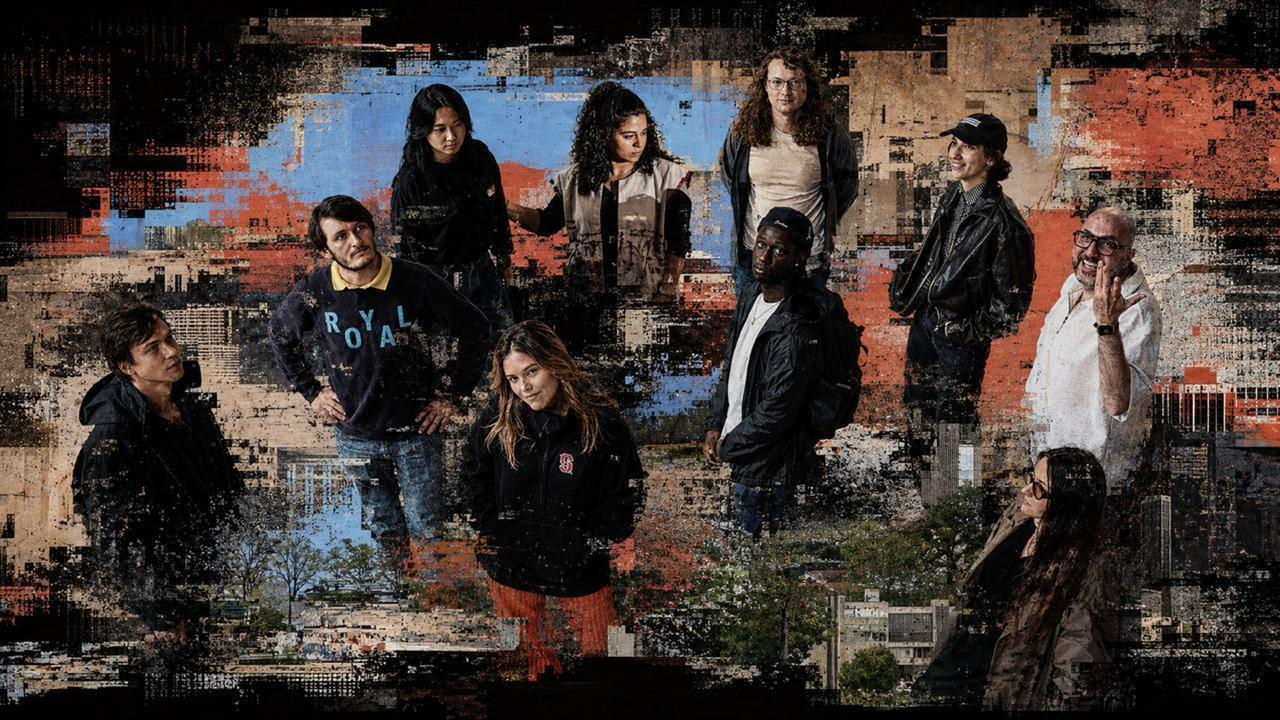
After Thought is a concert that occurs slightly after it has already happened, where the memories of computers and humans blur into something you won’t quite be able to forget (or fully remember). What exactly does a memory disk remember, and what does it choose to leave behind? Ten composers interviewed the transistors, microchips, and hidden circuitry inside of our electronic devices to ask them about their childhood memories. What is a microchip’s favorite song? What happens when a transistor undergoes a transistential crisis?
This concert features works by ten Stanford composers– Anna Golubkova, Brian Brown, Calvin Van Zytveld, Lemon Guo, Nicholas Shaheed, Mercedes Montemayor, Walker Smith, Mohammad H. Javaheri, Héloïse Garry, Kimia Koochakzadeh-Yazdi– with wide-ranging composition and performance practices spanning electronic and acoustic music, audiovisual compositions and installations, live coding, custom-built instruments, field recordings, film, dance and more!
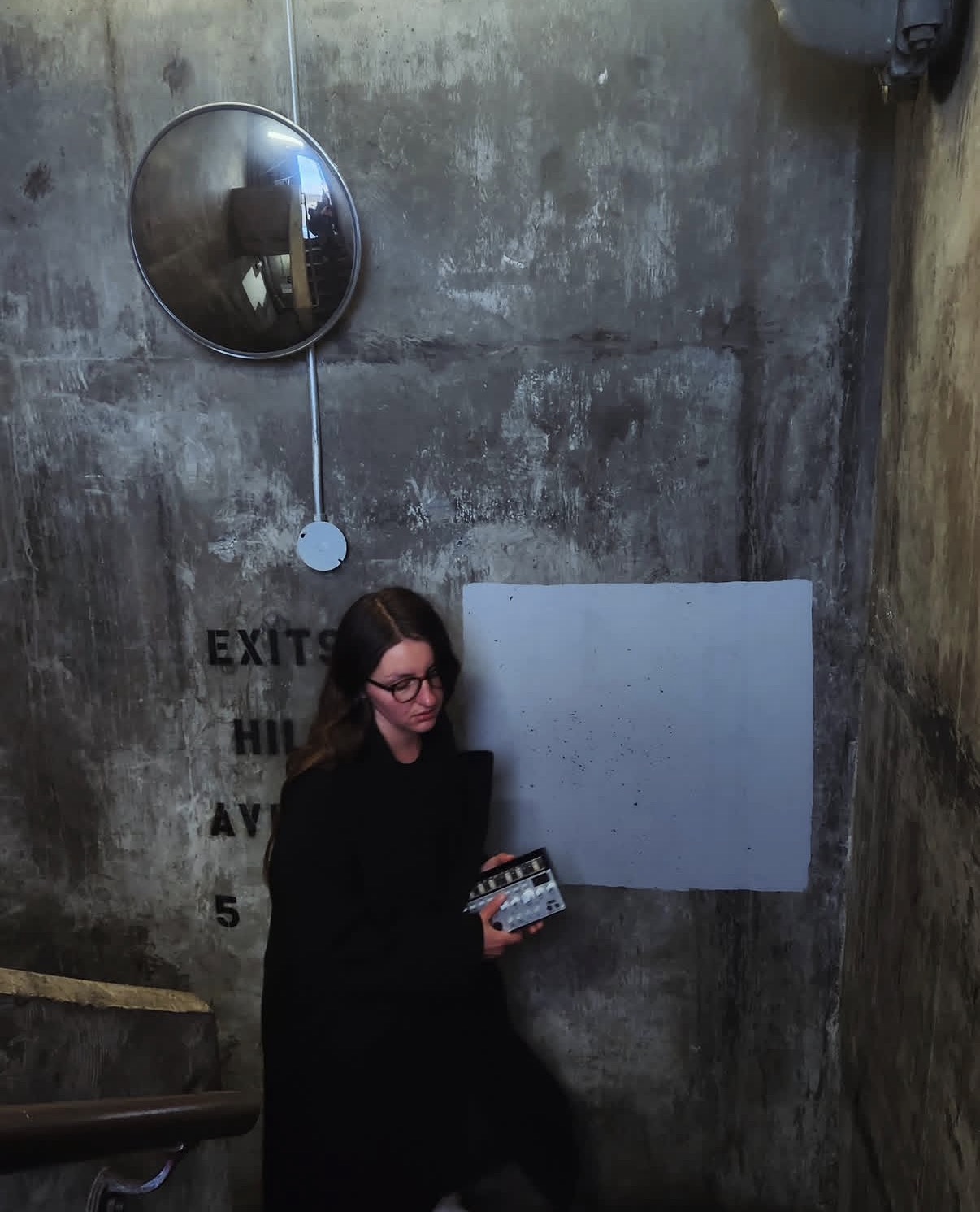
Anna Golubkova is a composer, sound artist, and performer from Russia, currently pursuing a DMA in Composition at Stanford University with a focus in Theatre and Performance Studies. Her work spans sound for theatre and film, multimedia installation, live electronic performance, and interdisciplinary performance practices.
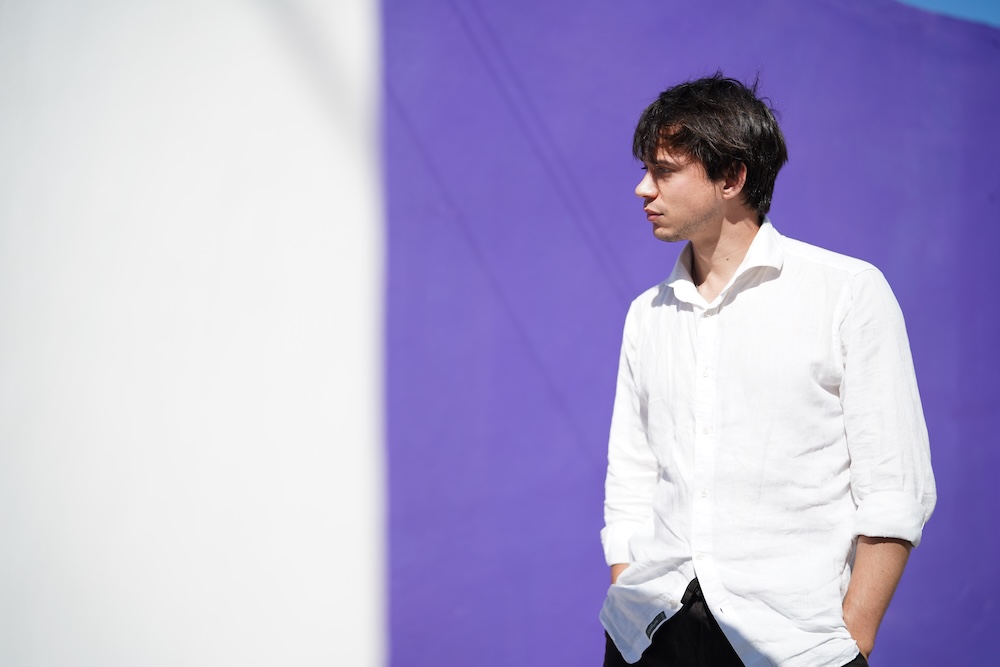
Calvin Van Zytveld is a blind cellist and composer. Currently a Ph.D. candidate in Musicology at Stanford University, his recent premieres include Slow Traveler for SSA choir (Peninsula Women’s Chorus), Paper Ritual for percussion trio (NEKO3), and A Study in Oblique and Contrary Motion for violin and cello (Distractfold). His music often engages acoustic and electronic sound, improvisation, and accessible text- or audio-based scores reflecting his lived experience with vision loss. In 2026, his compositions will be performed by ensembles such as Mosaik, Plymouth Chamber Players, and Grand Rapids String Quartet.
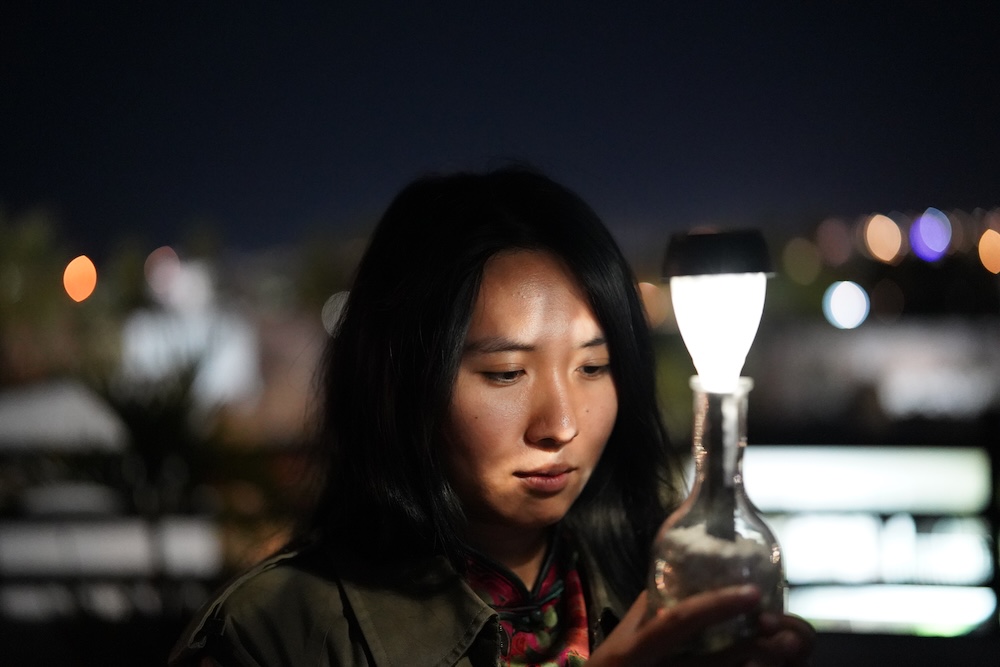
Lemon Guo is an interdisciplinary artist, composer, and vocalist from the southeastern coast of China. She creates voice-based performances, installations, Virtual Reality films, and other intermedia works that explore things that haunt her and wouldn’t leave her alone. She has performed and exhibited her works internationally, in places such as Rubin Museum of Art, Sundance Film Festival, Oregon Shakespeare Festival, International Computer Music Conference (US), BBC Radio 3 (UK), IDFA (NL), and Siggraph (CA). Her works have been supported by residencies at the Headlands Center for the Arts, Montalvo Arts Center, (US) and Making Tracks (UK).
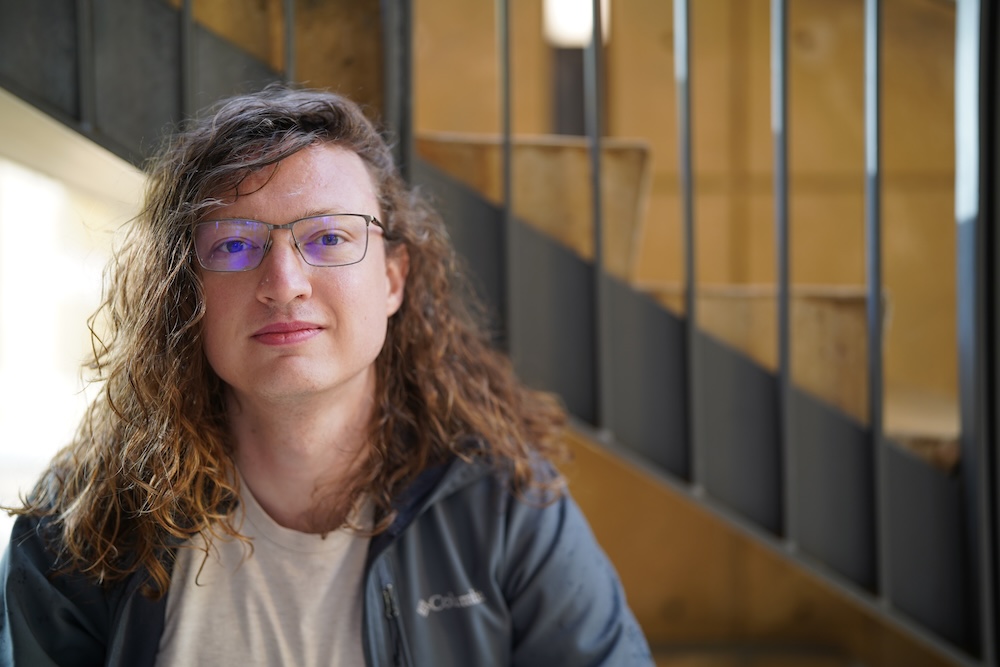
Nicholas Shaheed is a composer, software maker, electronic musician, and researcher. His work, often contemplative and slowly-shifting, engages with intertwining textures, feedback, process, and interactive software systems. As an artist and researcher, his work intersects with audiovisual performance, building software tools, and live performance. From transforming a viola d'amore into a crowd of hushed murmurs to creating a group improvisational system for intercepting degrading feedback loops, his work often uses machine learning as a tool for real-time exploration of material. His work has been presented at conferences such as NIME, NYCEMF, and SEAMUS, and he has been a fellow at Stochastic Labs and the Norfolk New Music Workshop. He is currently a PhD candidate in Computer Based Music Theory and Acoustics at Stanford's Center for Computer Research in Music and Acoustics (CCRMA).
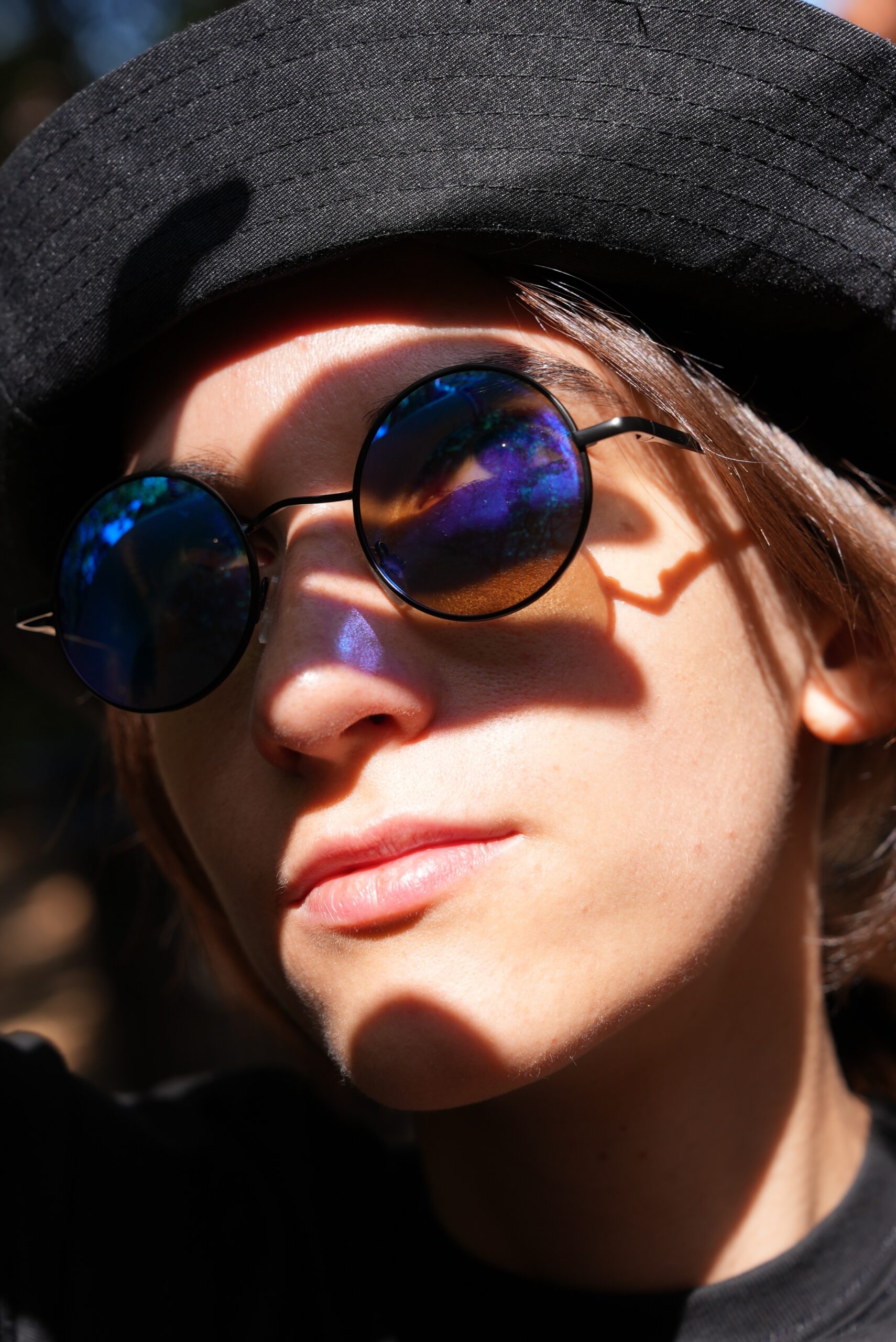
Héloïse Garry is a composer and performer working at the intersection of film, theater, and sound art, creating across Paris, New York, and San Francisco. Her work explores the interplay between musical and visual storytelling, with a focus on language, light, and rituals.
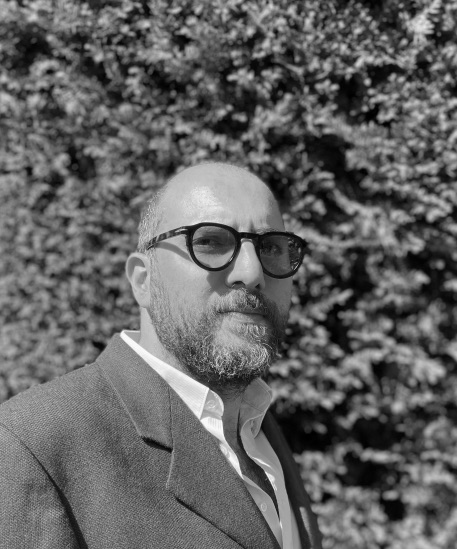
Mohammad H. Javaheri (1989-), an Iranian composer and performer from Tehran, has gained recognition for his interest in dense, powerful masses of sound, crafting complex textures. His versatile compositions span various forms, including electronics and acoustic elements; they incorporate “Transformative Blocks” and “Transcultural Field Recordings”, and have received international awards. He has been named as a promising future composer and internationally in-demand by Germany’s Neue Musikzeitung (NMZ) and Thuringian state newspaper (2019/2020), respectively. Moreover, he received attention in various news articles, including the LA Times. He has been described as a composer who inherently crafts his ‘own sound’ (Toshio Hosokawa, SYNTHETIS 2019).
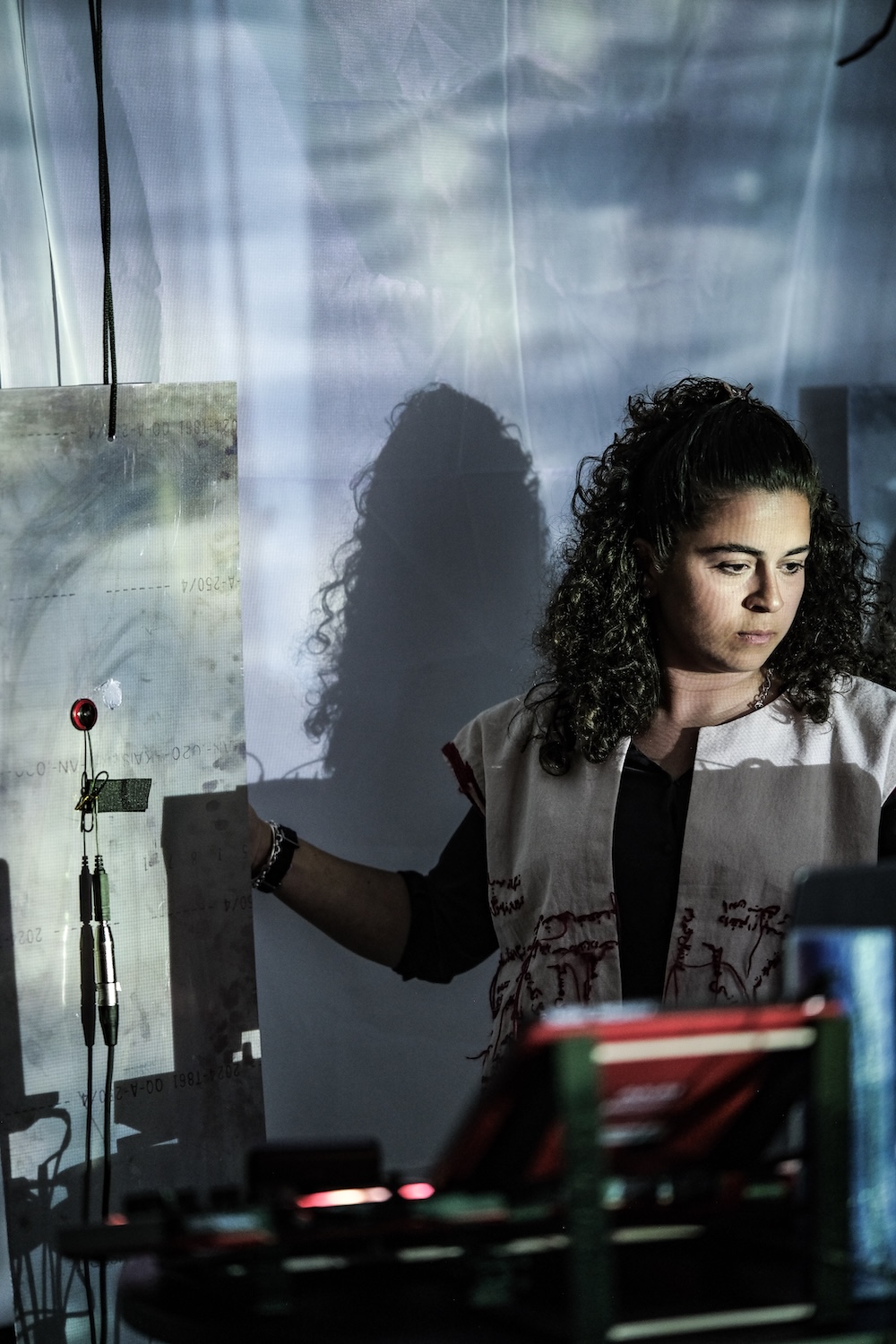
Kimia Koochakzadeh-Yazdi is an Iranian composer and performer. She writes for hybrid instrumental/electronic ensembles, creates electroacoustic works, builds instruments, and performs electronic music. She explores the unfamiliar familiar while being motivated by musical extremes; finding ways to play with various musical thresholds is something that she is currently attracted to. Being a cross-disciplinary artist, she has actively collaborated on projects evolving around dance, film, and theater. She is the co-founder and producer of Fashion x Electronics, a collective focused on creating interdisciplinary works based on fashion and electronic music. Kimia’s work has been showcased by organizations across the globe and her work has been performed internationally. She is currently a doctoral candidate in Music Composition at Stanford University.

Walker Smith is a “musical chemist” (or perhaps music alchemist), whose research and creative work focuses on the scientific, educational, and musical possibilities of translating chemical data into sound and making molecular music. He earned a dual degree in chemistry and composition from Indiana University Bloomington, where he developed "The Sound of Molecules" - a multimedia music and science show that he has performed for thousands of people in the USA and Europe. As part of a Fulbright scholarship in the Netherlands, he developed the "Interactive Musical Periodic Table," a project that was presented at a meeting of the American Chemical Society and received over 50 international media reports. Walker has been a guest researcher at the Ligeti Zentrum in Hamburg and the Intangible Realities Laboratory in Santiago de Galicia, and has presented and performed his work at AudioMostly, NYCEMF, ICMC, ICAD, and SMC. He is currently a Ph.D. Candidate at the Center for Computer Research in Music and Acoustics (CCRMA) at Stanford University, and his favorite color is purple.
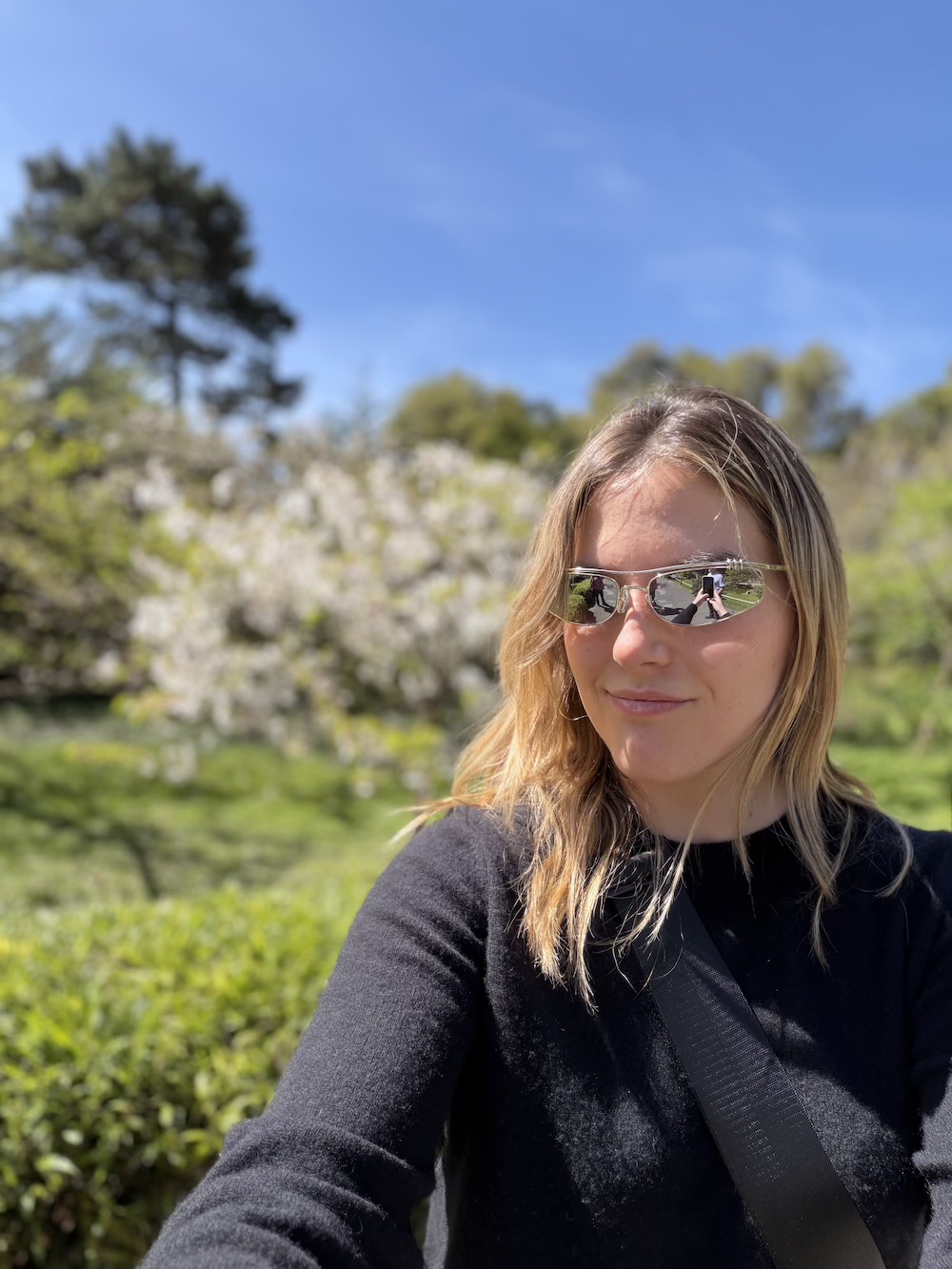
Mercedes Montemayor is a Mexican composer, multidisciplinary artist, and doctor of musical arts candidate at Stanford University. Her works manifest as electronic and electroacoustic music, sound Art, sound installation, and performance Art. She composes multichannel pieces for the stage and the listening room at the Center for Computer Research in Music and Acoustics (CCRMA), from 3-7th order ambisonics. Also a film lover, she actively participates in the sound design and compositions of short films— and is now entering the world of scoring the feature film with LOUWRIEN WIJERS: from Competition to Compassion (2025). Her career launched with her collaboration with Mexican textile artist Miriam Medrez, in her intermedia installation Jardín Onírico (2022), followed by an internship at an Architectural Acoustics firm, and a performance in Mutek (2023) in Museo Anahuacall, in Mexico City with her debut album Volumina (2023).She studied Audio Engineering at Tecnológico De Monterrey and is in love with the process of mixing and mastering her work. Recently she's been reading Kierkegaard which is a considerable influence in her upcoming works, and continues to experiment with space to voice her experience as an experiencer.
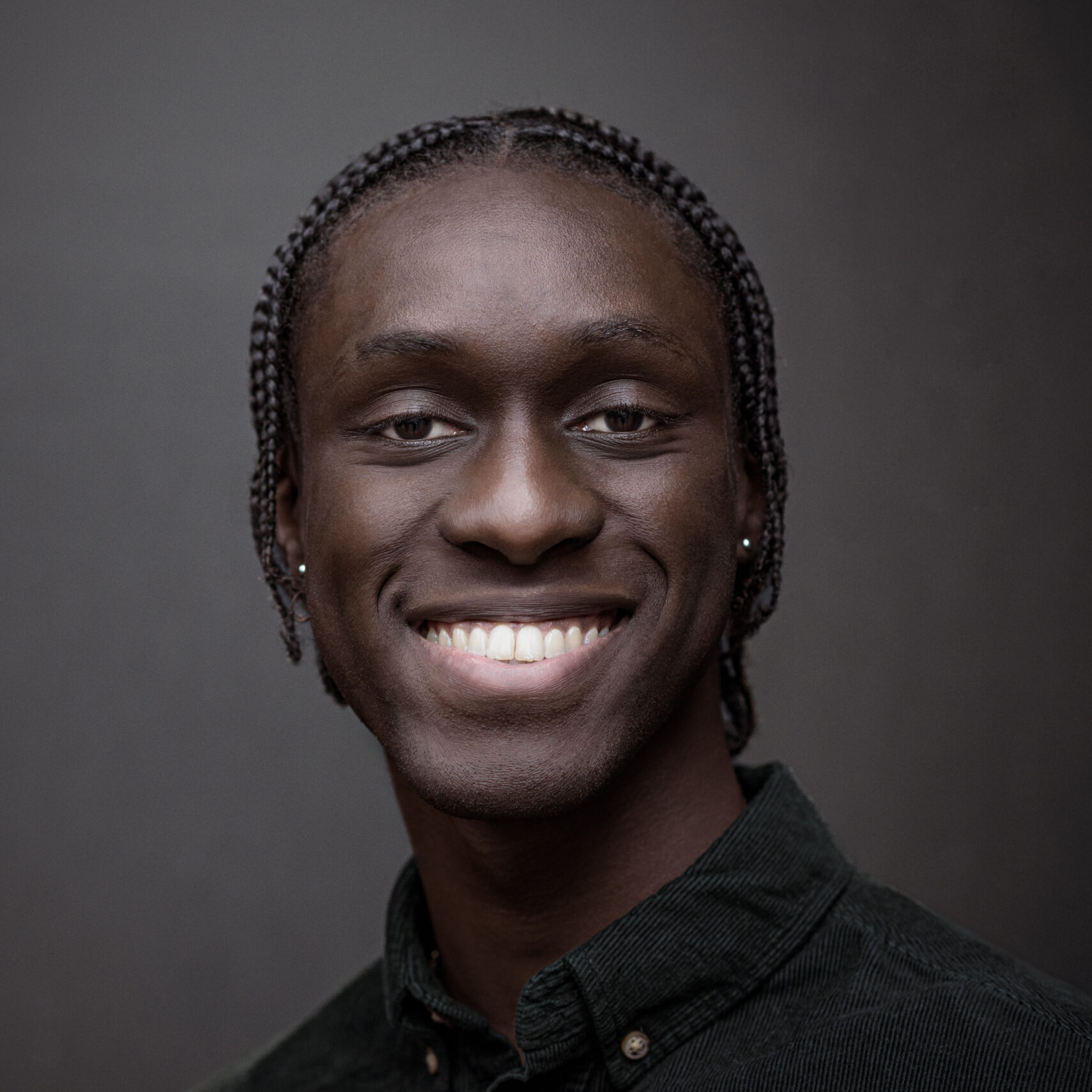
Brian Dozier Brown (b. 1997) is a trained composer, experimental sound artist, and transmedia technologist based in Palo Alto, CA. His impetus as an artist is to create works that remind us of our humanity to forge cathartic pathways toward compassion and empathy. His concert works have been performed by Polymorphia, Unheard-of Ensemble, Orkest de Ereprijs, and Robert Fleitz. Brown was born in Lakeland, Florida where his first choral compositions were performed at the Lois Cowles Harrison Center for the Visual and Performing Arts. After graduating, he traveled to Tallahassee to pursue a BM in Music Composition as a Presser Scholar at Florida State University where he studied with Stephan Montague, Mark Wingate, Clifton Callendar, and Liliya Ugay. His early work often explored organic processes of gradual transformation. In his Piano Fantasy No. 1, he permutes dense, brooding chord clusters by slowly changing individual pitches to shapeshift the work’s sonic atmosphere. As an alumnus of the National YoungArts Foundation, he is an eager interdisciplinary collaborator having worked with film, dance, and visual art. He demonstrates his kaleidoscopic style in film scores and sound sculptures, crafting unnerving synth atmospheres for psychological thrillers like Shaken and weaving lo-fi bedroom-studio aesthetics with Britell-esque stylings in coming-of-age indie drama Black and White Make Grey. His collaborative work has been screened at theaters and festivals across the nation. After leaving the South, Brown moved to Long Island, NY where he worked as a Teaching Assistant and Turner Fellow while completing his Masters in Music Composition at SUNY Stony Brook University. He studied with Matthew Barnson, Nirmali Fenn, Daniel Weymouth, Perry Goldstein, Margaret Schedel, and Stephanie Dinkins during his time at Stony Brook, focusing specifically on computer music and programming as he worked to become a fluent multidisciplinary art technologist. Brown currently studies with Jarosław Kapuściński and Paul DeMarinis at Stanford University.
