
Cybersentics Book Club
January 2026: New Mind, New Body
Participate in a fascinating new social reading group exploring biofeedback, cyborg theory, and the human sensorium.
Cybersentics Book Club
Meeting 3:
Saturday, January 24, 2026
12:00 – 2:00 PM
All ages welcome. A high school reading level or above is recommended.
Hosted upstairs in the Gray Area Incubator, not wheelchair or mobility accessible
View our FAQ page for more info, or contact us at [email protected] with any accommodation requests.
This Month's Reading:
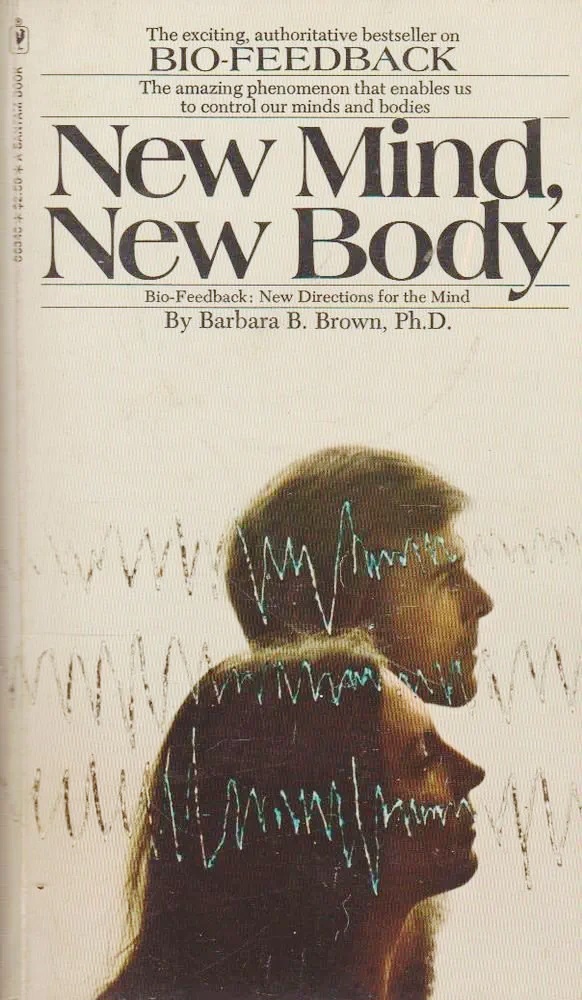
Brown, B. B. (1974). New mind, new body: Bio-feedback: New directions for the mind. Harper & Row.
About the Cybersentics Book Club
Gray Area is pleased to host a new reading group, the Cybersentics Book Club that will explore the human sensorium through the lens of art and technology.
In the first cycle, Cybersentic's reading list will center key themes related to the bidirectional flow of information between bodies and the environment. The outward perspective examines biofeedback, while the inward perspective focuses on cyborg art.
This book club is a fit for artists, makers, researchers, scholars, engineers, and anyone curious about the integration of technology and art. Join us as we investigate how to enhance our sensory experiences, from biofeedback and sonification to embedding sensors that challenge our perceptions.
Our group's purpose is to cultivate a welcoming community that fosters knowledge-sharing and collaboration. Whether you're seeking to connect with potential collaborators, look for answers to pressing questions, gain critical insights, or engage in peer learning, this is the place for you!
Cybersentics is organized and led by Gray Area Research Fellow Anastasia Chernysheva as part of the Biofeedback Art|Research Network (BARN).
An open-access library that accompanies this book club can be accessed here.
Sypnosis
Join us this January at Gray Area's Cybernetics Book Club as we discuss Barbara Brown's "New Mind New Body" (1974), a bestseller that helped popularize biofeedback. In her book, Brown, who pioneered the field of biofeedback research, lays out ways we can learn to control our brain waves, heart rate, and other bodily processes by accessing real-time information about them, in other words, receiving feedback. The idea of self-regulation facilitated by information and technology came decades before the neurotechnology boom. In the times of unprecedented hype around brain-computer interfaces and their commercial uses ranging from life-changing prosthetic devices to biohacking fantasies, we are going to do the important intellectual work of looking into the long history of human-computer interfacing and self-augmentation.
A short film called "Biofeedback: Listening to Your Head" (1970) featuring the author will be shown as part of the book club meeting.
About the Host
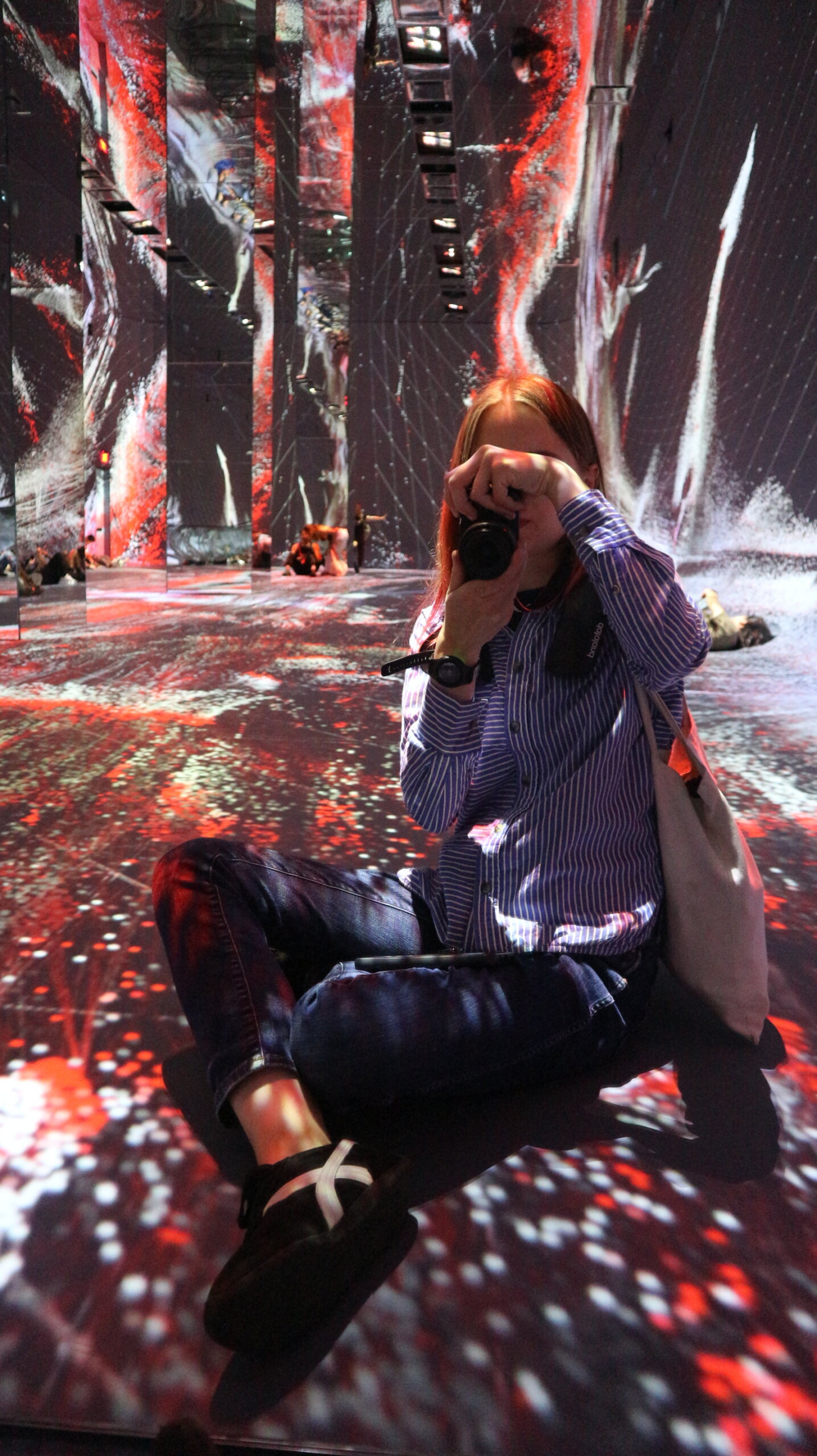
Anastasia Chernysheva
Anastasia Chernysheva is a scholar and curator specializing in the cultural reception of neurotechnology and the mediation of knowledge about the brain and mental life through art. To learn more, check out Cybersentics Book Club and Library at Gray Area.
About the Author
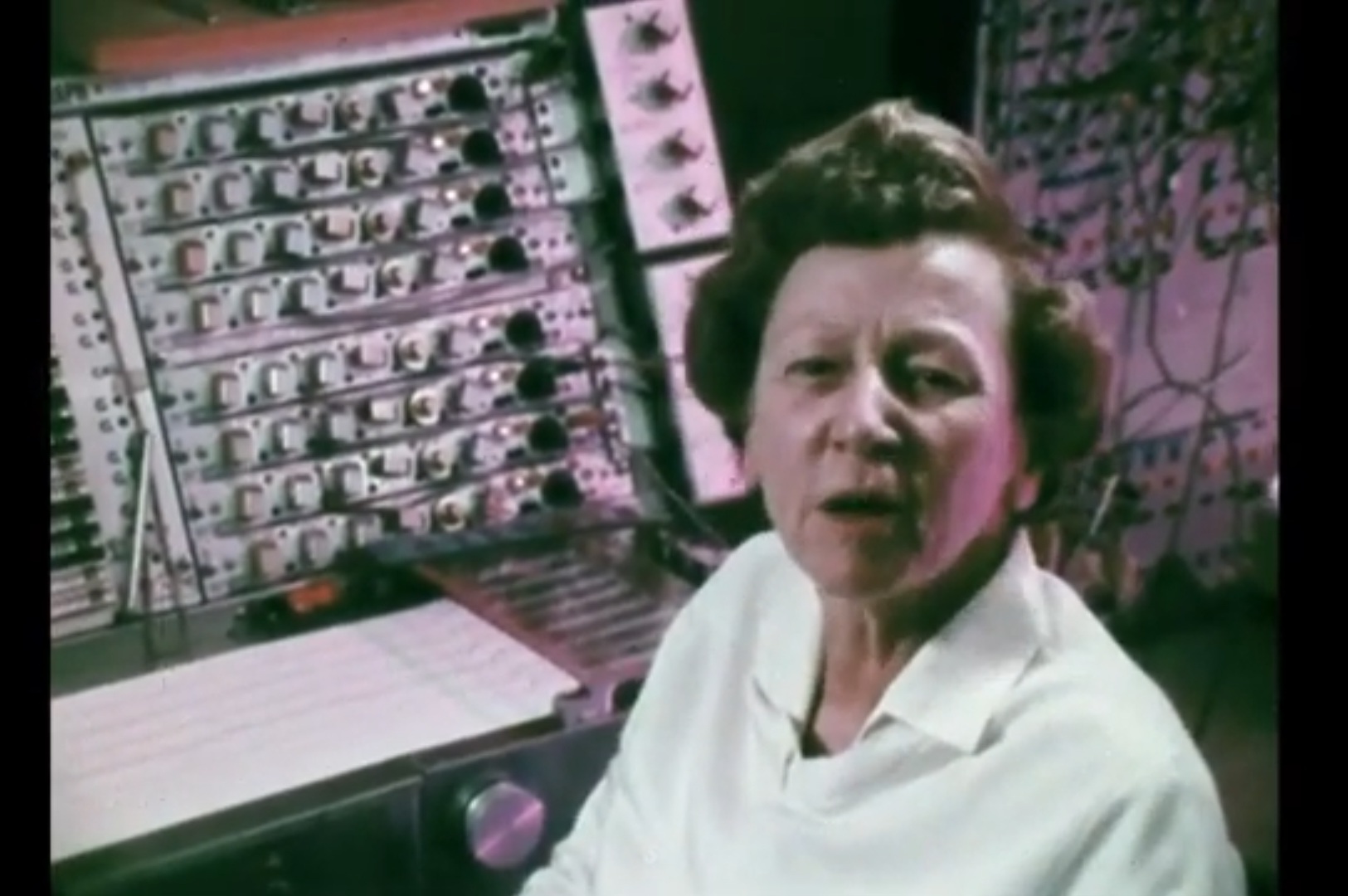
Barbara B. Brown (1921–1999) was a pioneering researcher and psychologist who coined the term "biofeedback" and brought the field to mainstream awareness in the 1970s. She earned her Ph.D. in Pharmacology from the University of Cincinnati in 1950 and conducted groundbreaking research as Chief of Experiential Physiology Research at the Veterans Administration Hospital in Sepulveda, California, while also teaching at UCLA. Brown co-founded the Biofeedback Research Society in 1969 and served as its first president, helping to legitimize biofeedback and neurofeedback as scientific disciplines.

Become a Gray Area Member
As a Gray Area Member you get special access to events, behind-the-scenes content and more. Gray Area is a dedicated family of supporters who believe in the power of creative action to catalyze social transformation. Join as a member today to provide sustaining support for our globally unique arts, education, research, and incubation programs.
