
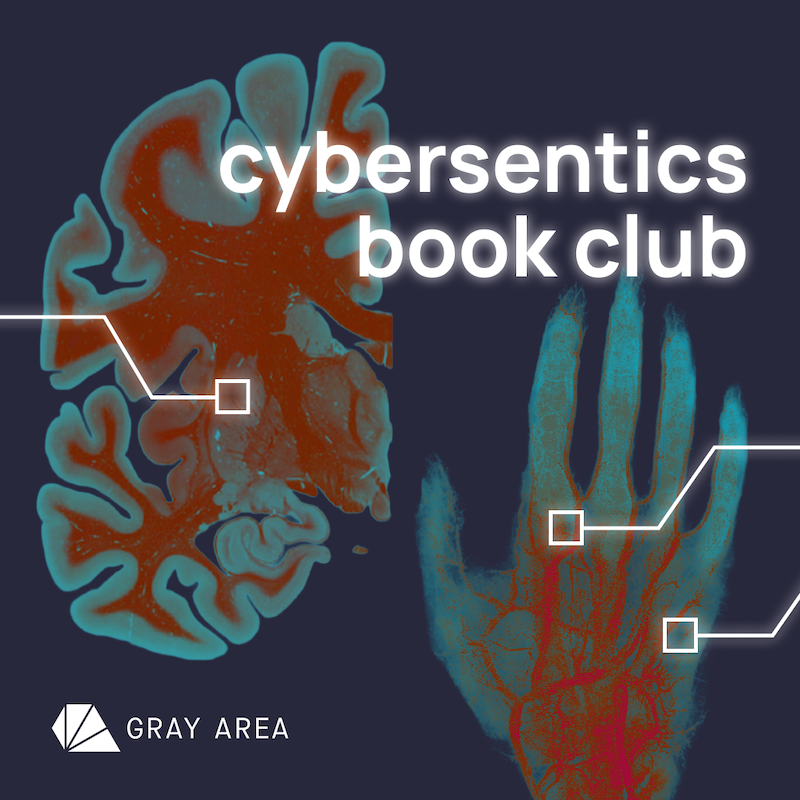
Cybersentics Book Club
May 2026: Ars vs. Techne—A False Dichotomy?
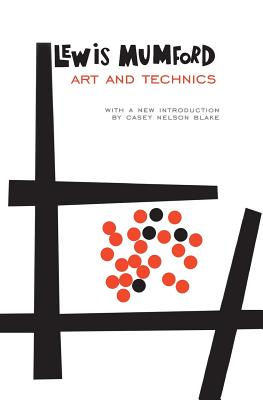
Drawing on lectures Lewis Mumford delivered at Columbia University in 1952, "Art and Technics" maps a tension between two seemingly disparate ways of navigating the world — one oriented toward efficiency, the other toward meaning — and argues that modern society's fixation on technics has deprived daily life of symbolic concerns.
Cybersentics Book Club
Sunday, May 17, 2026
12:00 – 2:00 PM
All ages welcome. A high school reading level or above is recommended.
Hosted upstairs in the Gray Area Incubator, not wheelchair or mobility accessible
View our FAQ page for more info, or contact us at [email protected] with any accommodation requests.
About the Cybersentics Book Club
Gray Area is pleased to host a new reading group, the Cybersentics Book Club that will explore the human sensorium through the lens of art and technology.
In the first cycle, Cybersentic's reading list will center key themes related to the bidirectional flow of information between bodies and the environment. The outward perspective examines biofeedback, while the inward perspective focuses on cyborg art.
This book club is a fit for artists, makers, researchers, scholars, engineers, and anyone curious about the integration of technology and art. Join us as we investigate how to enhance our sensory experiences, from biofeedback and sonification to embedding sensors that challenge our perceptions.
Our group's purpose is to cultivate a welcoming community that fosters knowledge-sharing and collaboration. Whether you're seeking to connect with potential collaborators, look for answers to pressing questions, gain critical insights, or engage in peer learning, this is the place for you!
Cybersentics is organized and led by Gray Area Research Fellow Anastasia Chernysheva as part of the Biofeedback Art|Research Network (BARN).
An open-access library that accompanies this book club can be accessed here.
Sypnosis
Drawing on lectures Lewis Mumford delivered at Columbia University in 1952, "Art and Technics" maps a tension between two seemingly disparate ways of navigating the world — one oriented toward efficiency, the other toward meaning — and argues that modern society's fixation on technics has deprived daily life of symbolic concerns.
This divide is rather visible in the Bay Area, where the worlds of aspiring tech entrepreneurs and embattled humanists exist in parallel, with strikingly little overlap in values and an ever-widening gap in socioeconomic power. With Mumford as a guide, we will also consider AI and surveillance systems as technologies increasingly deployed not as tools of knowledge, but of control.
About the Host
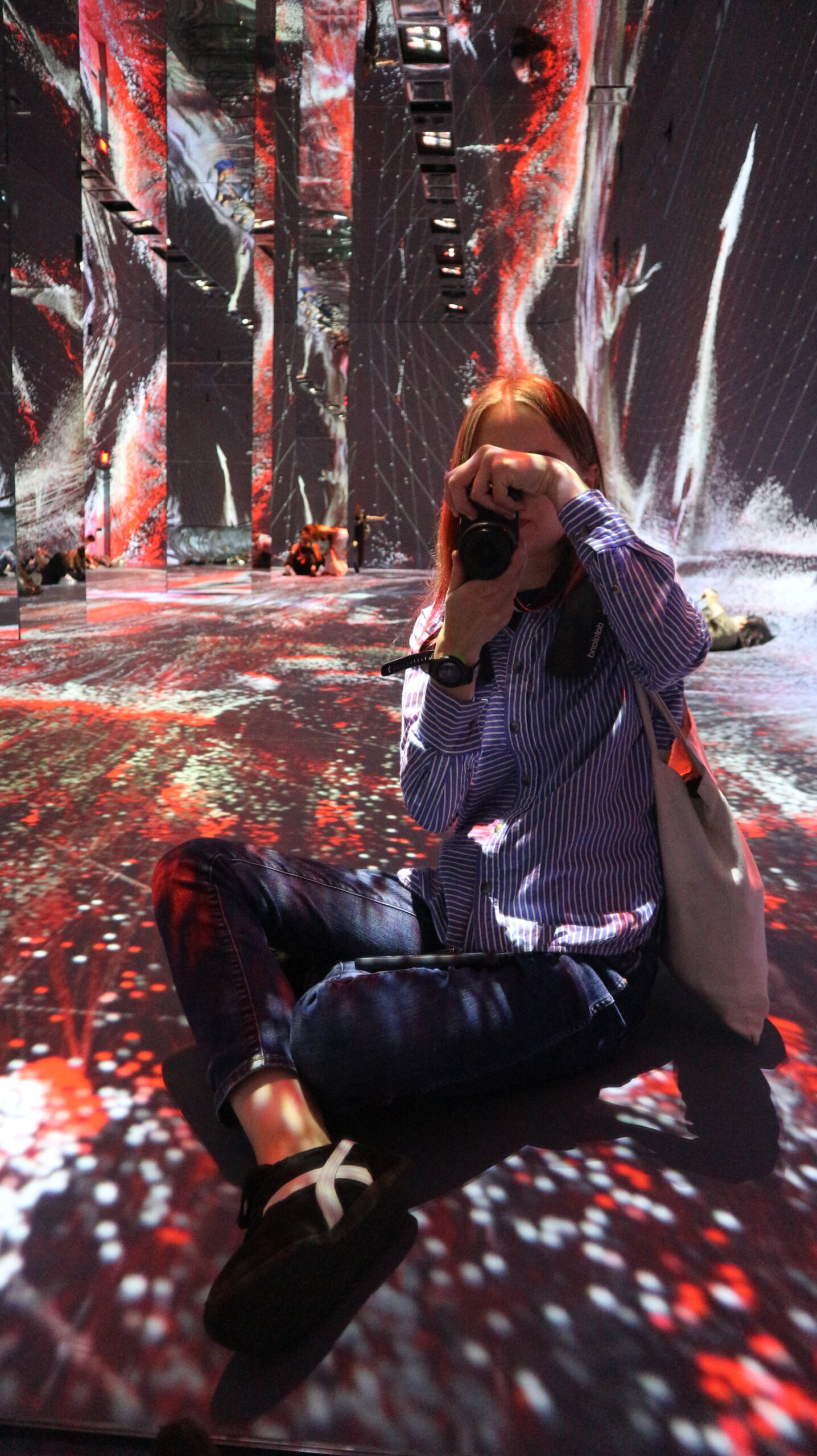
Anastasia Chernysheva
Anastasia Chernysheva is a scholar and curator specializing in the cultural reception of neurotechnology and the mediation of knowledge about the brain and mental life through art. To learn more, check out Cybersentics Book Club and Library at Gray Area.
About the Author
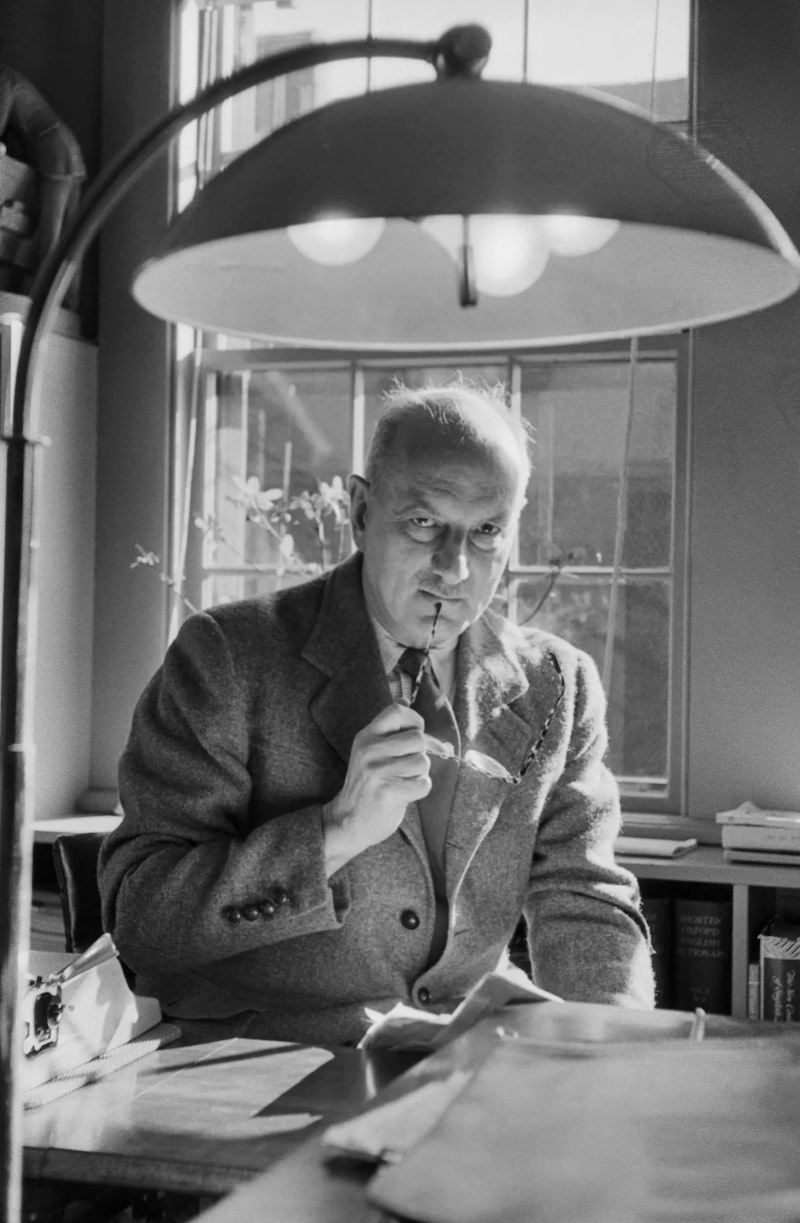
Lewis Mumford (1895–1990) was an American social philosopher, architectural critic, and historian of technology whose work ranged across urban planning, cultural criticism, and the philosophy of science. He served as architectural critic for The New Yorker for over thirty years and was the author of more than thirty books, including Technics and Civilization (1934), The Culture of Cities (1938), and <The City in History (1961), which received the National Book Award.
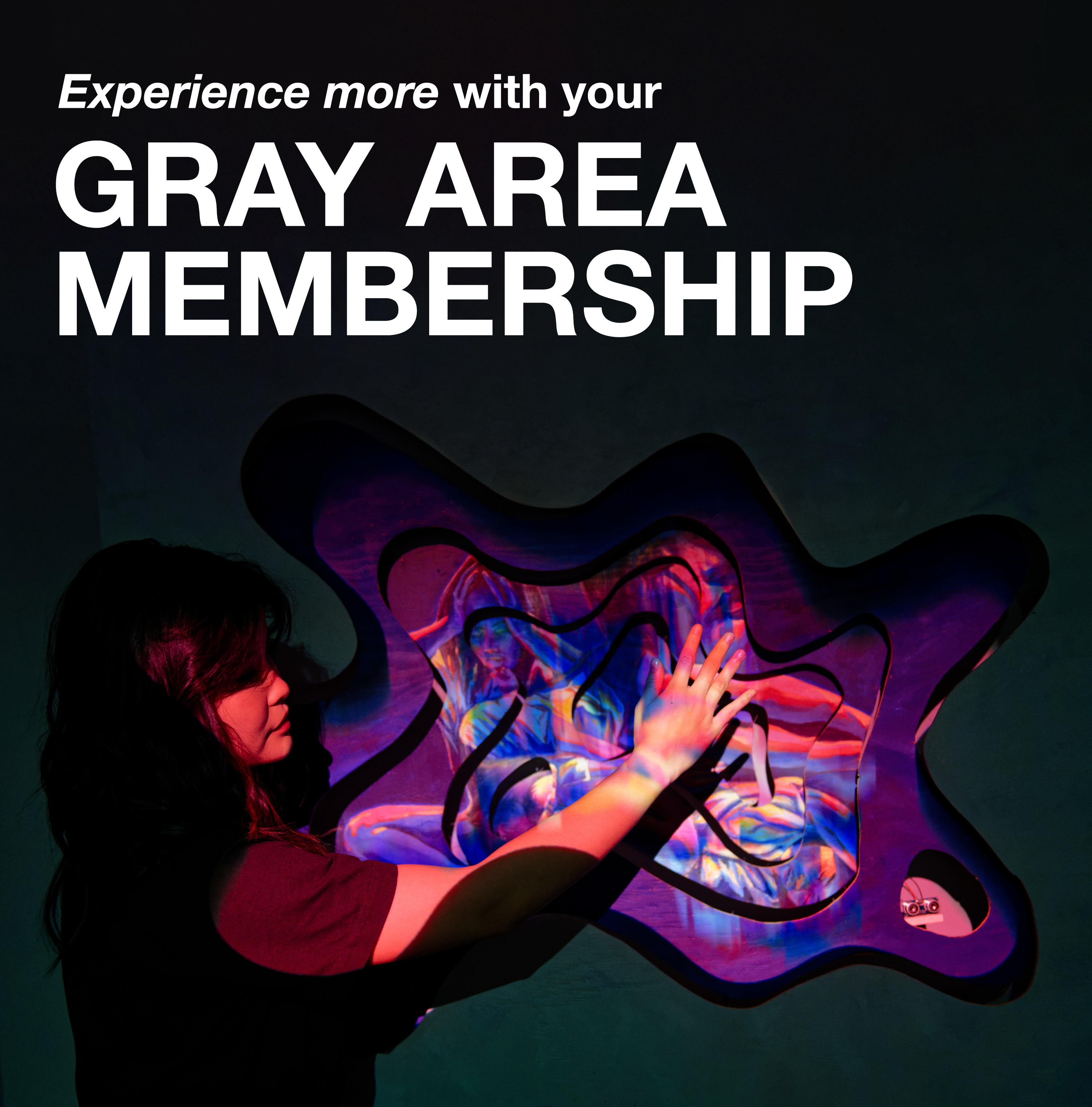
Become a Gray Area Member
As a Gray Area Member you get special access to events, behind-the-scenes content and more. Gray Area is a dedicated family of supporters who believe in the power of creative action to catalyze social transformation. Join as a member today to provide sustaining support for our globally unique arts, education, research, and incubation programs.
