fbpx

Cultural Memory Lab
with TechSoup and Filecoin Foundation for the Decentralized Web

An incubator empowering community-based archives, libraries, museums, and other cultural organizations to explore decentralized strategies for preserving collective memory.

The Cultural Memory Lab, led by TechSoup in collaboration with Gray Area and supported by the Filecoin Foundation for the Decentralized Web (FFDW), set out to help cultural heritage institutions explore how decentralized storage could safeguard public collections. The Lab convened archivists, artists, and technologists from around the world to translate emerging decentralized web (DWeb) technologies into practical, community-centered preservation tools.

Over eight months, participants developed working prototypes using IPFS and Filecoin, supported by microgrants, mentorship, and a tightly structured cohort model. The Lab combined technical learning with community storytelling, fostering a shared belief that preserving memory requires both digital resilience and human connection.
Selected Projects

{B/qKC}: A Black Queer Archive

{B/qKC} challenges outdated archival practices through accessible storytelling and intergenerational power building. This project documents the rich and often overlooked history of Kansas City’s Black queer community, including the underground ballroom tradition and the forced closure of Soakie’s—the city’s only Black gay bar. Through a unique licensing model, contributors retain ownership of their materials while benefiting from digitization and storytelling efforts. {B/qKC} aims to use decentralized storage to ensure long-term accessibility of its growing digital archive and explore DAO models for community governance.

Learn more about {B/qKC}

Digital Memory Keepers: Decentralized Archiving of Zapotec Biocultural Knowledge

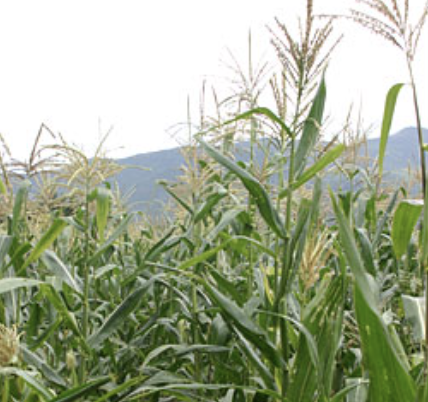
Servicios Universitarios y Redes de Conocimientos en Oaxaca’s project collaborates with Zapotec communities in Oaxaca to document and preserve traditional agricultural practices, environmental vocabulary, and oral histories. With a focus on indigenous data sovereignty, the project will deploy decentralized storage solutions to safeguard biocultural knowledge while maintaining community control over digital heritage. By integrating decentralized technologies, Digital Memory Keepers will create a bilingual archival system accessible to Zapotec speakers and the broader public.

Learn more about Digital Memory Keepers

The Mobility Independence Foundation’s Open-Source Online Repository

The Mobility Independence Foundation’s project will create a long-term, decentralized archive of open-source designs for durable medical equipment (DME). By ensuring unrestricted access to the technical blueprints of essential mobility technology, this project empowers individuals with disabilities, engineers, and repair technicians worldwide with the right of self repair. Through decentralized storage, the repository will safeguard DME designs;empower users with the knowledge and resources to maintain their own equipment;and reduce dependency on expensive, slow-moving manufacturers and insurers.

Learn more about The Mobility Independence Foundation

Cultural Memory Lab Experience

Selected via open call, 3-5 projects will receive between $2,000 to $5,000 in funding, enabling teams to explore inventive applications of decentralized technologies in their ongoing cultural memory work. To further support such experimentation, project teams will participate in mentorship sessions with advisors from the FFDW. Additionally, Cultural Memory Lab participants will gain access to Gray Area’s DWeb for Creators course, an 8-week facilitated course offering theoretical frameworks, perspectives, tools, and other resources to catalyze creative approaches to decentralized tool-building.

The Cultural Memory Lab will run for four months, from March to June 2025. All project teams will meet virtually for cohort-wide check-ins at the beginning, mid-point, and end of the lab period. A final summer showcase will give teams the opportunity to demonstrate their work to a broad audience.

Subscribe to our mailing list