
The Internet Archive has reached an extraordinary milestone: the archiving of its trillionth webpage. This civilization-scale achievement marks decades of dedication to preserving the ephemeral nature of digital culture and ensuring universal access to human knowledge. From its founding mission to create a permanent record of the internet's evolution, the Archive has become an essential infrastructure for memory in the digital age, safeguarding 866+ billion webpages, 41+ million books and texts, millions of software programs, images, videos, and audio recordings.
To commemorate this historic moment, San Francisco interdisciplinary arts and technology non-profit Gray Area has partnered with the Internet Archive to commission a series of original net.art works that engage with the vast holdings of the Archive and explore what it means to create, preserve, and access culture online.
Exhibition Details
Exhibition Dates:
November 1 - December 5, 2025
Location:
The Internet Archive
300 Funston Avenue
San Francisco, CA 94118
Exhibition Opening Event:
Saturday, November 1, 2025 | 5 PM
View event page here.
The commissioned artists have drawn from the Archive's expansive collections to create web-based artworks that reflect on themes of memory, digital archaeology, and the human stories embedded within preserved data. These works exist as both online experiences and physical installations at the Internet Archive, bridging the digital and material worlds in ways that honor the Archive's dual nature as both a technological achievement and a profoundly human endeavor. Each artwork offers a unique lens through which to consider questions central to our digital present: How do we make sense of the internet's scale and scope? What narratives emerge when we excavate layers of archived websites, forgotten software, and digitized texts? How does preservation shape our relationship to the past and our imagination of the future?
This exhibition celebrates not only the trillionth webpage saved, but also the ongoing work of innovators who help us understand the cultural stakes of digital conservation. By creating works that will themselves be permanently housed within the Internet Archive, these artists contribute to the living archive—adding new layers of creative interpretation to the historical record and leaving behind a footprint for future internet explorers to uncover. Their contributions remind us that archives are not passive repositories but active sites of meaning-making, where the preserved materials of yesterday inspire the creative expressions of today and tomorrow. In engaging with the Archive's collections, these artworks illuminate the richness of human creativity in online spaces, inviting audiences to consider their own place within this vast, interconnected record of our shared experience online.
Curated by Amir Esfahani (Internet Archive) and Wade Wallerstein (Gray Area).
The Trillionth Webpage Net.Art Commissions are also presented in an online exhibition with digital cultural partners around the world as part of Distant.gallery Festival.
Commissioned Artworks
Elegiac (2025)
Chia Amisola
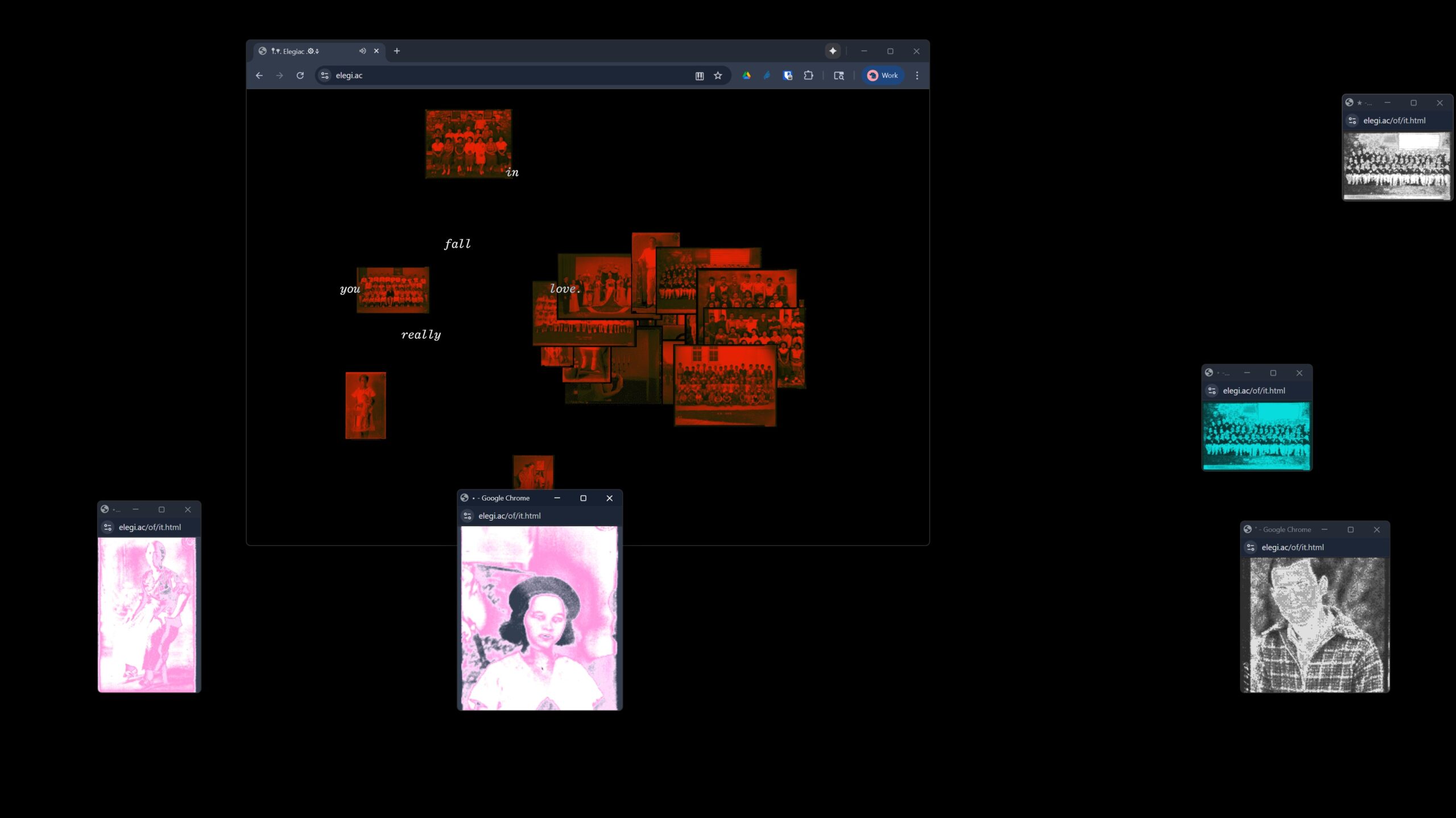
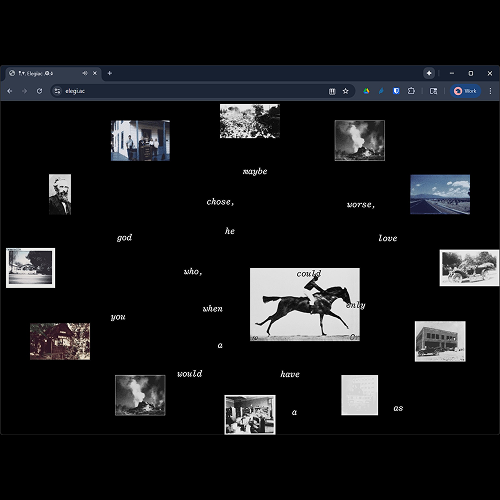
In Chia Amisola's Elegiac, hundreds of browser windows unfold on the desktop, weaving a narrative around cultural myths of creation and destruction with the internet's cycles of collapse and repair. Entirely composed from media, sound, and text sourced from the Internet Archive, the generative work presents an ever-changing hypertextual myth out of the stories the internet chooses to tell itself. Throughout their practice, Amisola's sites represent acts of self-preservation in a medium always at risk of disappearance, attempting to make sense of intimate histories and selves amidst what has been collectively preserved and lost.
alive internet theory (2025)
Spencer Chang
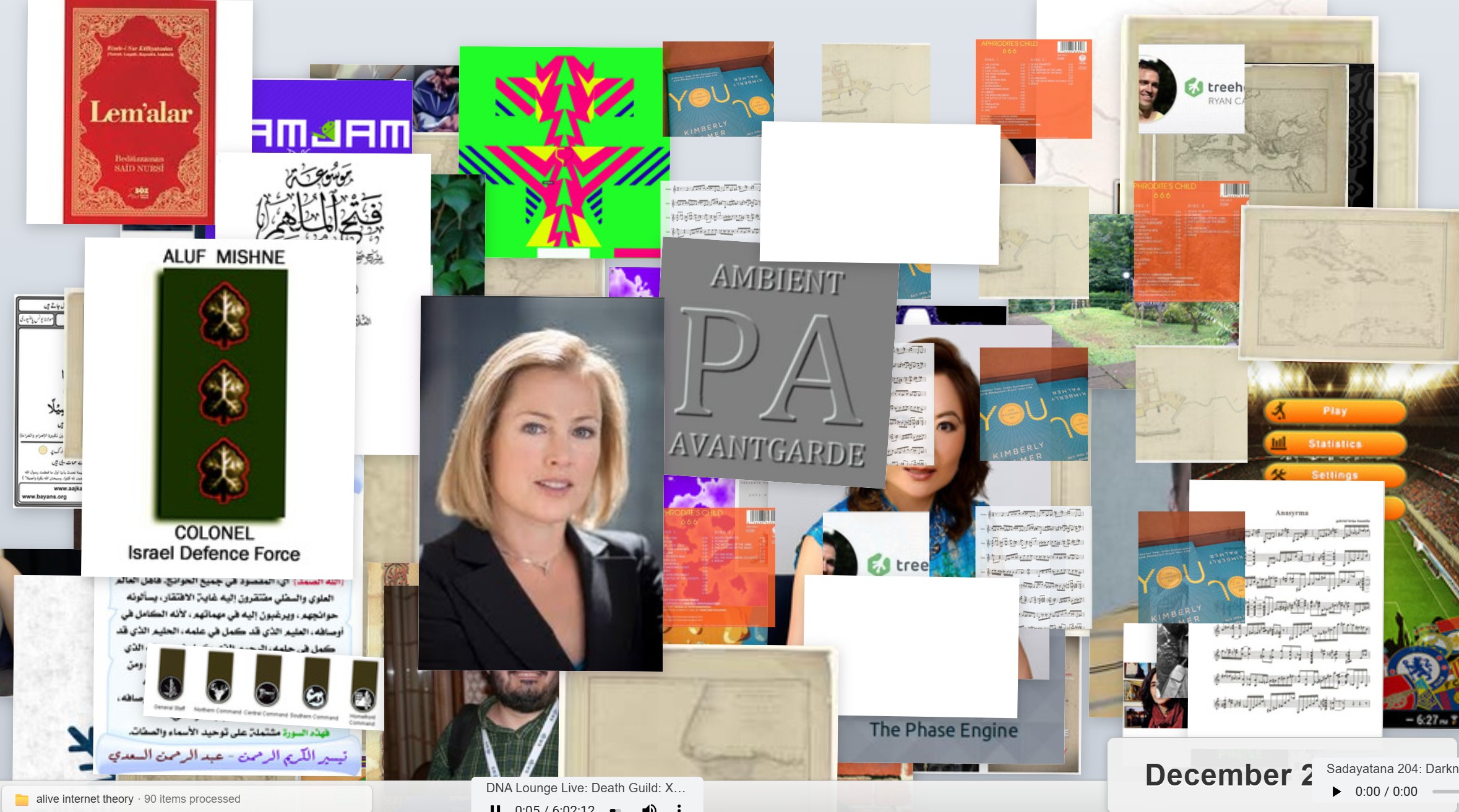
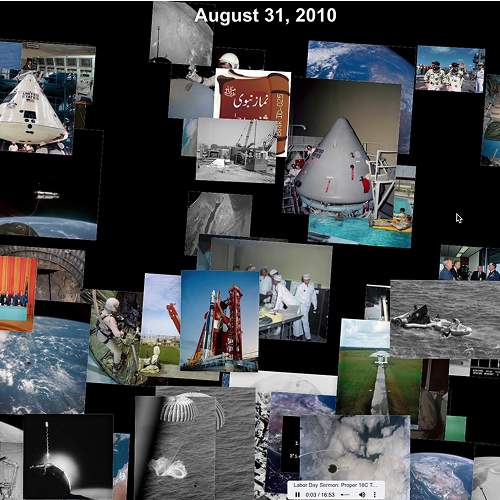
alive internet theory theory is a séance with the Internet, told through tens of millions of digital media files from the Internet Archive. The piece takes visitors on a trip through the life of the web as we created it; every image, video, song, and text was uploaded by a person on the web. This overwhelming sea of human "content" offers a striking contrast to today, where an increasing amount is created solely by AI. At the same time, the piece incorporates the machine’s perspective. Many visual effects were created by asking frontier AI models to reflect on how they would visualize their own experience training on this very data to become human-like. What separates us from the machine and ultimately, what do we consider human?
The Lives of Infamous Men (2025)
Sarah Friend & Arkadiy Kukarkin
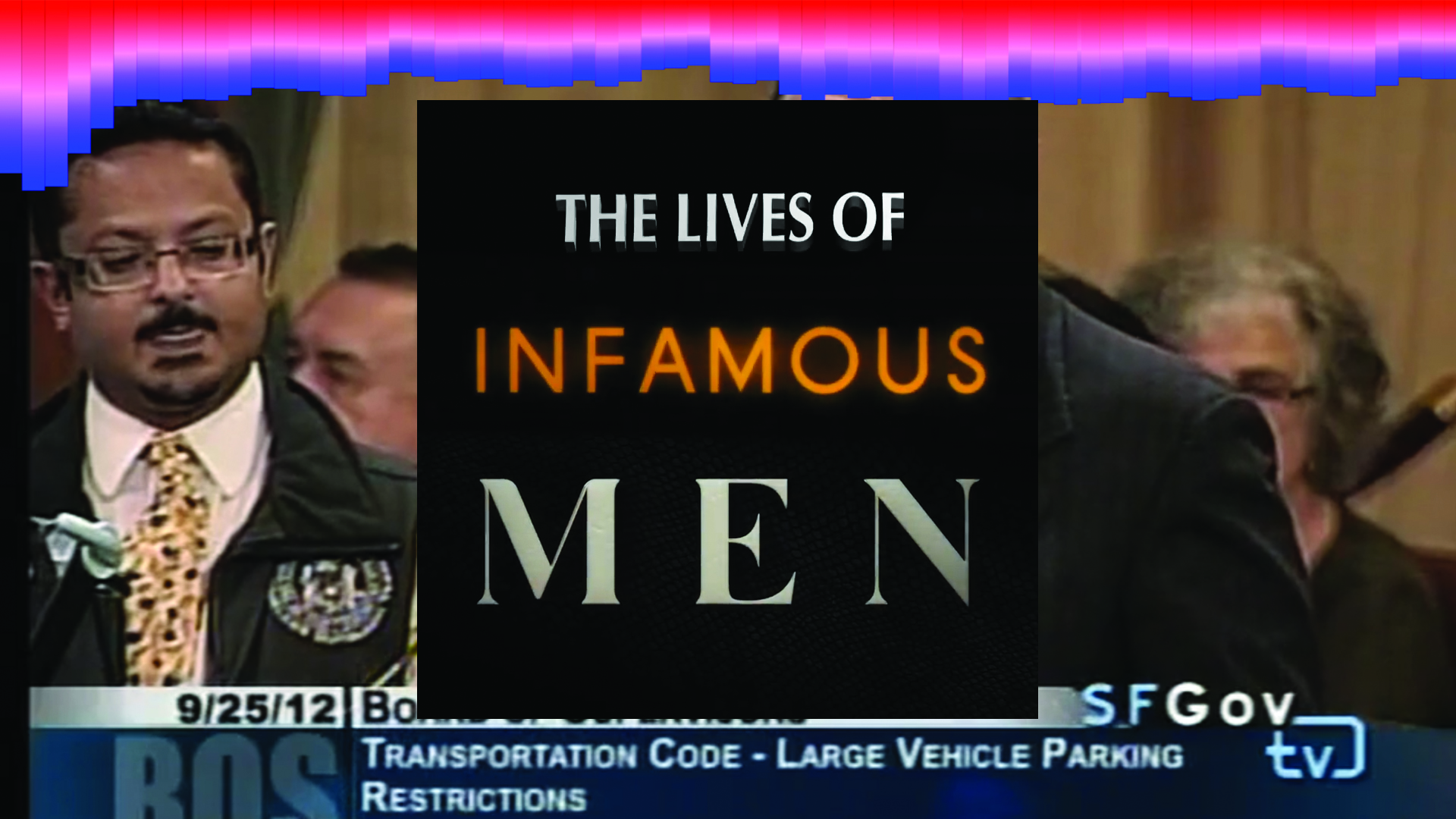
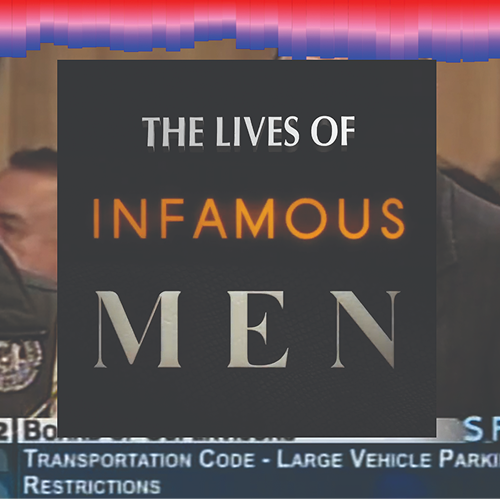
The Lives of Infamous Men is an infinite algorithmic web-based video, where a slightly-edited version of Foucault’s essay of the same name is read by a re-composited American politicians and TV news personalities. The essay is an introduction for a fictional book, proposed but never written, where Foucault collects small snippets of text from the prison archives of the Hópital général and the Bastille from the 17th and 18th centuries. In it, Foucault speculates on the lives of these men: their pathos, melodrama, and ultimately their forgettability - only their brief encounter with the despotic power of the king causes them to be remembered. The video is generated live in-browser, and refreshes itself regularly using clips from Internet Archive’s TV News Collections. Read by the characters of contemporary television, the text shifts between one where we see the speakers as the infamous men, petty criminals destined to be mostly forgotten, or in turn, the apparatus of power.
Pretty Guardian Shrine (2025)
Ophira Horwitz
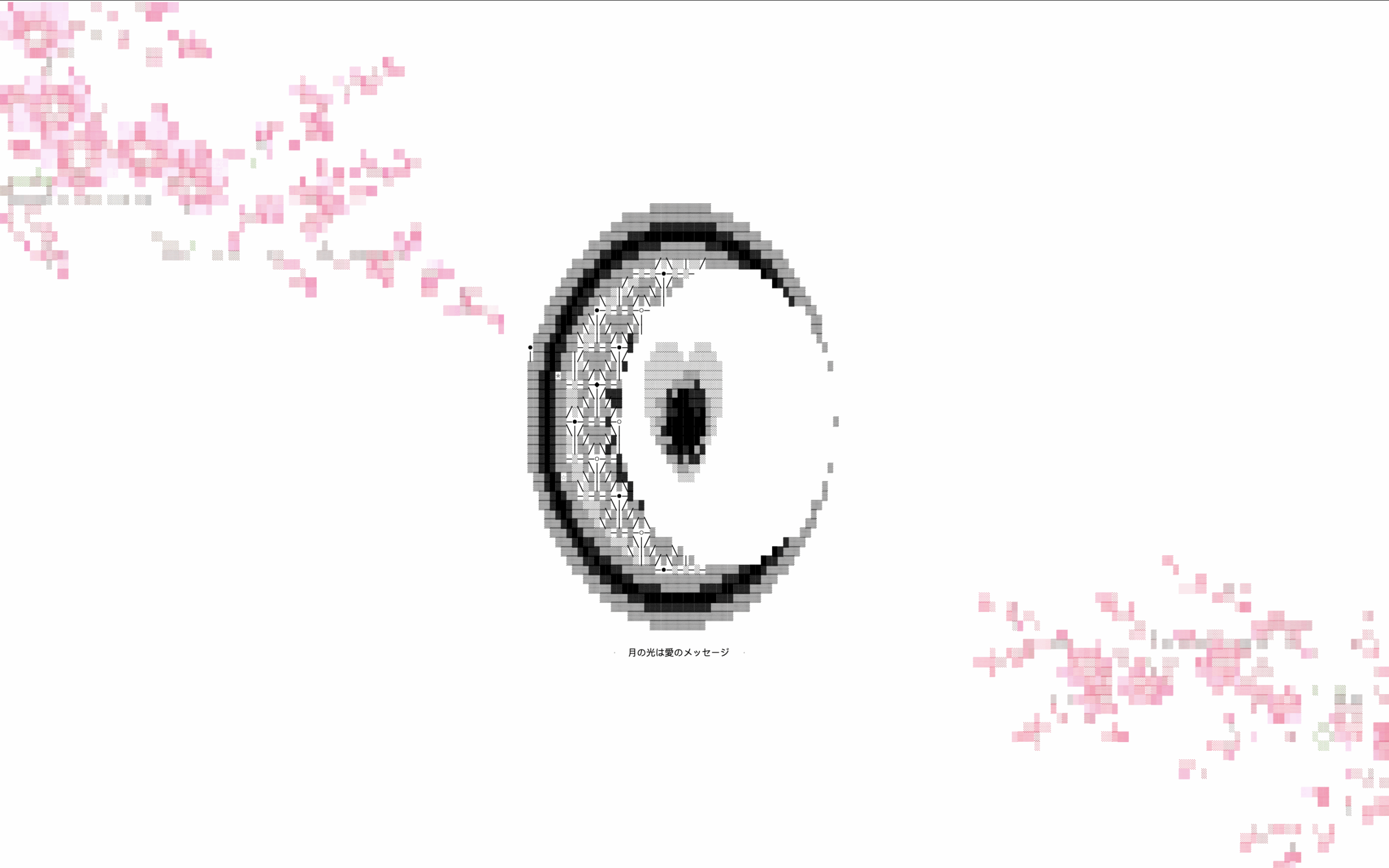
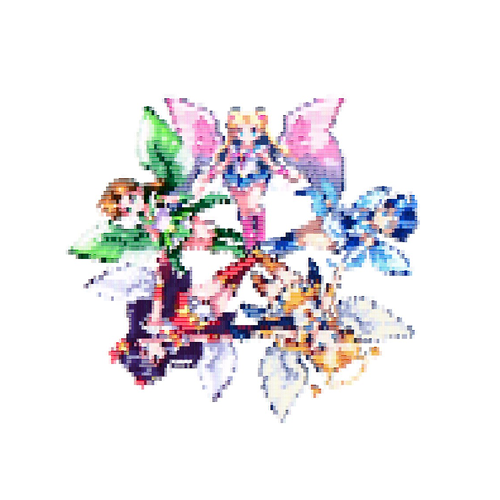
During her childhood growing up in the web 1.0 era, artist Ophira Horwitz created and hosted her own role-playing chatroom based around the mythology of Sailor Moon: a foundational Japanese anime & manga series written by Naoko Takeuchi and published by Kodansha comics. In this online space of her own creation, roughly hewn from bits of rudimentary HTML, Horwitz invited strangers to play with her. Together, they created a text-based fantasy world. As she grew up and the landscape of the Internet changed, these kinds of distributed, intimate, hyper-niche online social spaces gave way to centralized, feed-based platforms.
Horwitz’ Sailor Moon social RPG page is now inoperable; yet, fragments remain in the depths of the Internet Archive. To honor the memory hers and all bygone fora for imagination, connection, and creativity, Horwitz created a virtual shrine with ASCII artworks composed from digital fragments of the original site and other found archived materials.
Today, Horwitz works professionally as an artificial intelligence “ jailbreaker”— someone who tests the limits of the most advanced consumer machine learning products with the ultimate goal of making them safer. As a result, her creative practice and perspective on digital culture have been profoundly impacted by AI. In recent experiments, Horwitz has worked across a wide variety of prompt-based AI models to create a unique mode for autopoietic writing. Included in the Pretty Guardian Shrine is the artist’s first book of AI poetry, available on-site as a printed book and online as a downloadable pdf. In it, Horwitz rewired the model to essentially speak for her and complete her sentences, and together write poetry that processes the acute grief of heartbreak.
Hello World Wide Web (2025)
Raúl Feliz & Mai Ishikawa-Sutton
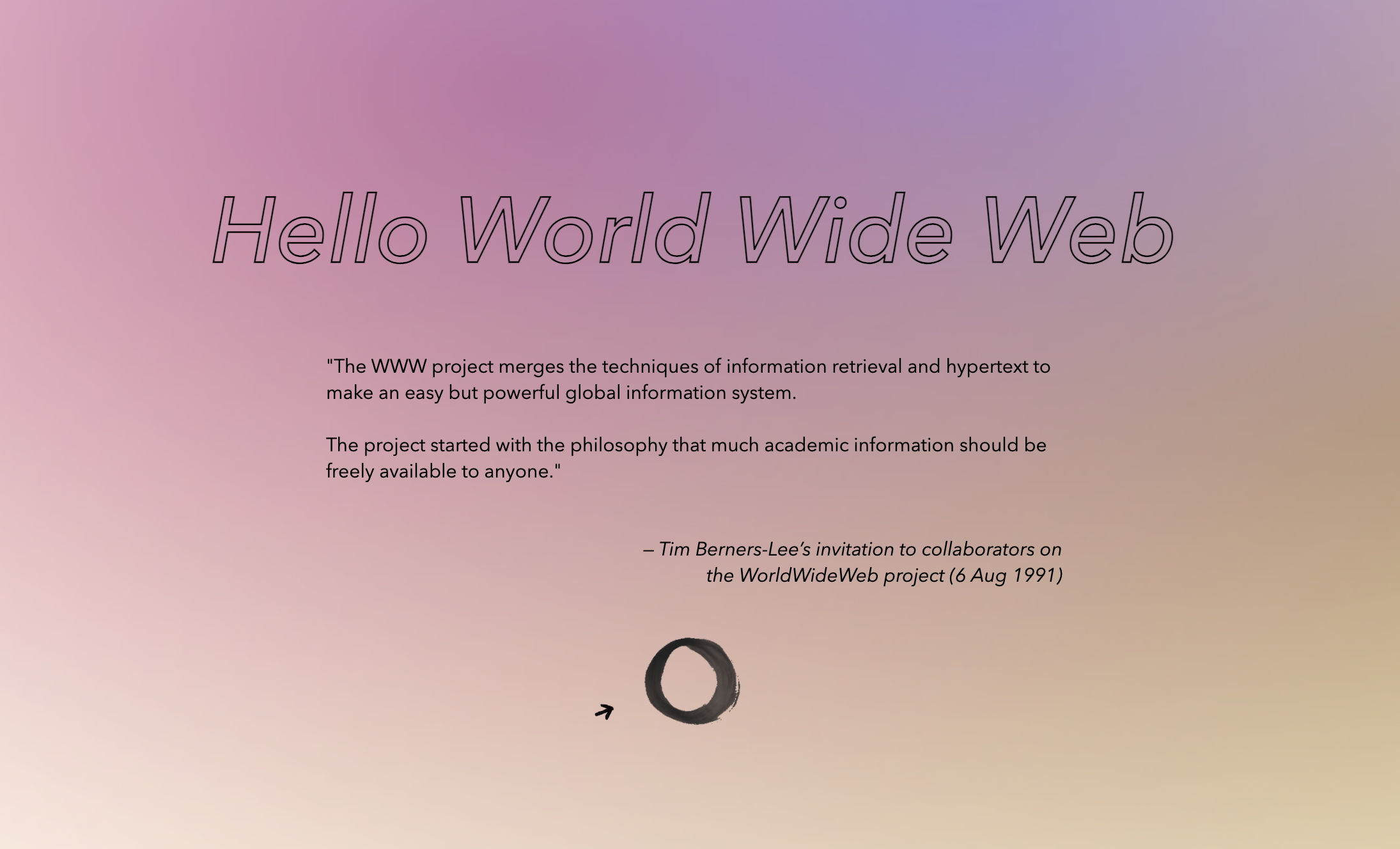
Hello World Wide Web is a web page that explores the evolving contours of the largest networked information medium known to humanity; a meditation on the origins and history of the World Wide Web. It curates glimpses of some foundational websites from the formative eras of the Web, retrieving most of them from the Internet Archive’s Wayback Machine. Presented as an interactive timeline, the work allows viewers to immerse themselves in the rich history of networked culture, in the process gleaning critical cultural context for both the lasting value of the Internet Archive’s work and the internet itself.
Pandora’s Aquarium (2025)
Olivia M Ross
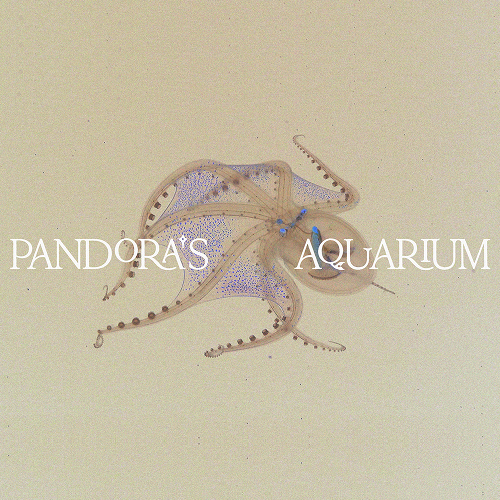
Olivia M. Ross’s Pandora’s Aquarium (2025) is a speculative hypertext fiction account of a “deep sea liberation war” fought by cyborgian mermaids against the profanities of Man, in conversation with her earlier videopoem Prayer To An Ebony Teen Slut (2021) and the Sycorax Video Style of Dr. Kamau Braithwaite. Presented in the browser, and connecting to the user’s webcam, Pandora’s Aquarium weaves a ‘choose your own adventure’ tale on top of the reader’s own reflection. The story considers a postcolonial reading of Shakespeare’s The Tempest, centering close analysis of the unseen character Sycorax who is thought of by Dr. Braithwaite and other scholars as an archetypal representation of silenced African & Caribbean women. In this tradition, which often seeks to give voice to unheard indigenous stories, Ross offers a new techno-seapunk fantasy that nods to the history of cyberpunk literature, early interactive fiction experiences of the late 20th century, and webcam-based video performance works of the 2000s.
“During my time studying the late Dr. Kamau Braithwaite’s work, I was struck by the vivid hypermedia texture of his poetry practice, as a Barbadian computer programmer myself. It was Dr. Braithwaite’s relationship to computers, and his relationship to the Shakespearean play The Tempest which inspired me to read Aime Cesaire’s postcolonial reinterpretation of the play, A Tempest (1969)— and to dig deeper into the symbolism of Sycorax in Caribbean and feminist Philosophy.”
– Olivia M Ross
“At the time of Zea Mexican’s death in 1986, he [Braithwaite] had not mastered the computer and could not retrieve some work of his that she had committed to the computer’s memory. This increased his panic that aspects of his written self could perish, with him helpless to prevent it. Dream Chad, begun in August 1988, presents the computer as memory, silent archives of a literary life and Brathwaite’s link with his wife’s lifelong dedication to nurturing and preserving his work on computer. Learning to access it became for him a kind of therapy.”
- Gordon Rohlehr’s Introduction to Dr. Kamau Braithwaite’s DreamStories (1994)
1,000,000,000 (2025)
Jesse Walton
Site-Specific Sculpture
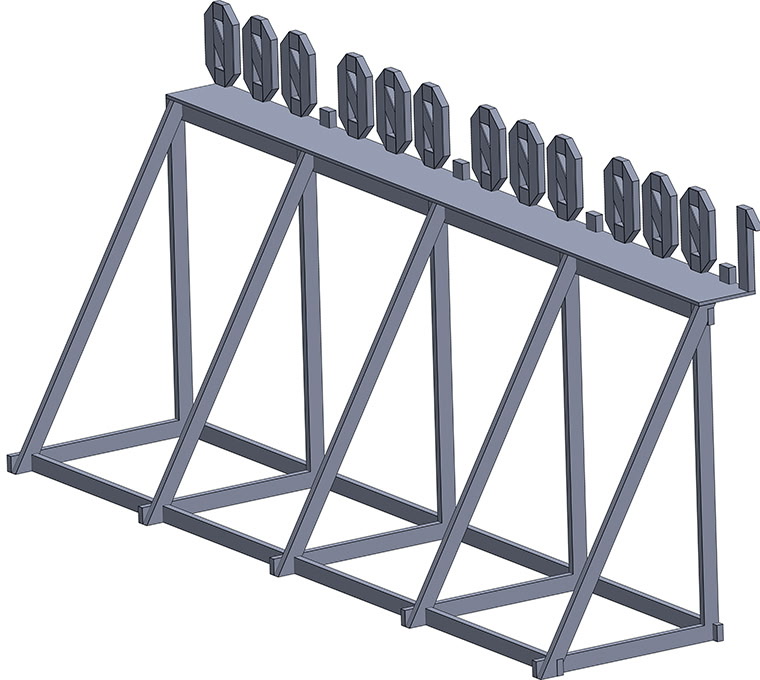
Jesse Walton’s site-specific installation 1,000,000,000,000 was developed in 2025 to commemorate the Internet Archive’s Wayback Machine’s milestone of one trillion web pages archived. Walton fabricated the numbers using their own “2x4” font.
Ghosts of the Internet Archive (2025)
Rodell Warner
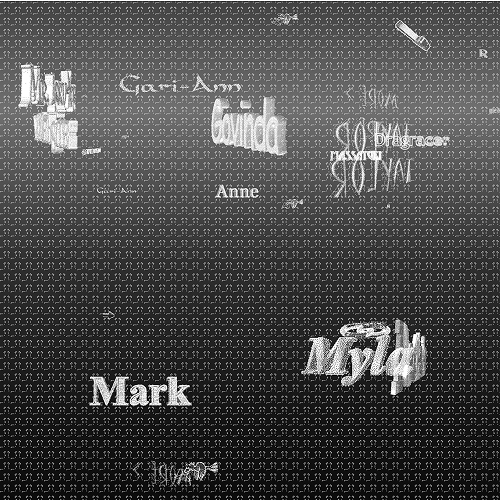
In this interactive net.artwork, artist Rodell Warner developed a generative web application that creates “ghosts” from scattered digital materials across discarded blogs from the Web 1.0 era, now contained within the Internet Archive. Each digital asset has been excavated from someone’s personal page, which the artist spent days pouring over and selecting intimate fragments from. Through a serendipitous, algorithmic process of recall from this highly curated dataset, Warner forces the found content to overlap and occupy the same display area. Ephemeral phantasms from a lost era of the web float across the page, conjuring an eerie feeling of looking through the veil of digital life and death. Ripped out of their original contexts, a bygone era of visual culture, the results of this experiment create connotations and connections, both intentional and unintentional, on each of media artifacts in the mind of the viewer. In this way, Warner invites audiences to consider the visual legacy of the Archive collection and its lasting impact on cultural memory.
Artists
About the Partners

The Internet Archive
The Internet Archive, a 501(c)(3) non-profit, is building a digital library of Internet sites and other cultural artifacts in digital form. Like a paper library, we provide free access to researchers, historians, scholars, people with print disabilities, and the general public. Our mission is to provide Universal Access to All Knowledge.
Distant.Gallery
Distant.Gallery is a (non-profit) foundation and online platform where people can come together informally, and meet online. It is constructed in such a way that it respects users’ data, does not store or resell it, and does not play visitors off against each other through likes and algorithms. This capacity for social connection, an alternative to “Big Tech” built for a cultural landscape, is the platform’s strength.
About Distant.Gallery Festival
Distant.gallery presents its first ever festival, in partnership with cultural institutions navigating the pressures of austerity, displacement, and precarity - realities they not only address but increasingly endure. Set against a shifting media landscape shaped by algorithmic amplification, social media virality, and the rise of populist and fascist ideologies, the festival interrogates the role of culture in an age of blurred realities and politicized information.
Through exhibitions, public dialogues, and community-led initiatives, the program highlights how institutions and artists alike strive to sustain cultural expression amid unstable infrastructures and contested narratives. It asks how identity, memory, and tradition can persist - and evolve - when both the physical and digital realms are co-opted, collapsed, or rendered hyperreal. This festival is a call to examine not just what we preserve, but how we continue to do so under intensifying socio-political and economic strain.
